
The Politics of the Body and Conscience
Doctor ZhivagoThis flow traces how violence changes the body and challenges Zhivago’s effort to preserve a humane conscience.
increasing Bearing strength in each event
 decreasing
Bearing strength in each eventdecreasingThe Hospital’s Dead
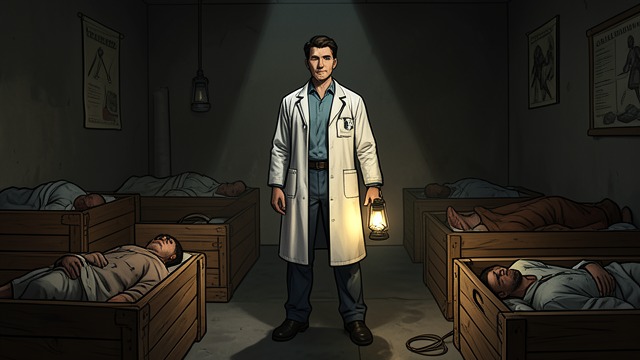
The Hospital’s Dead
Death studied, not mastered
As a student, Zhivago works among corpses and learns the body’s enduring beauty.
Medical knowledge does not dissolve the mystery of death.
The early experience prepares him for the wounded he later treats.
The Wounded at the Front
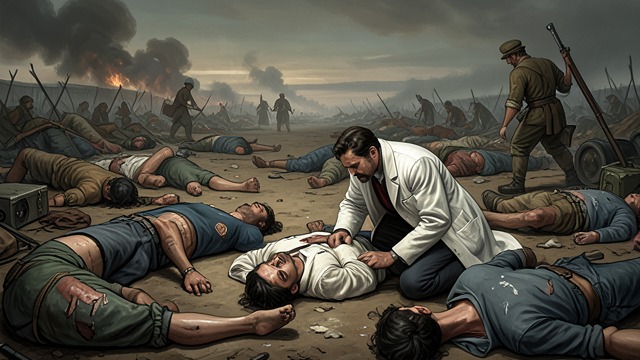
The Wounded at the Front
Injury beyond language
Zhivago sees bodies mutilated by modern weapons and struggles to accept the logic of mutual destruction.
His medical role cannot shield him from the violence he witnesses.
Compassion becomes an active resistance to dehumanization.
The Enemy as a Person
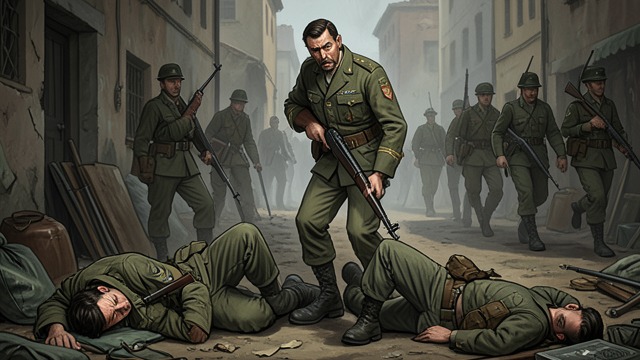
The Enemy as a Person
Conscience in combat
Zhivago is forced to fire on White soldiers but tries to avoid killing them.
He treats Seriozha Rantsevich rather than leaving him to die.
Human recognition interrupts the categories imposed by war.
A Family Destroyed by Fear
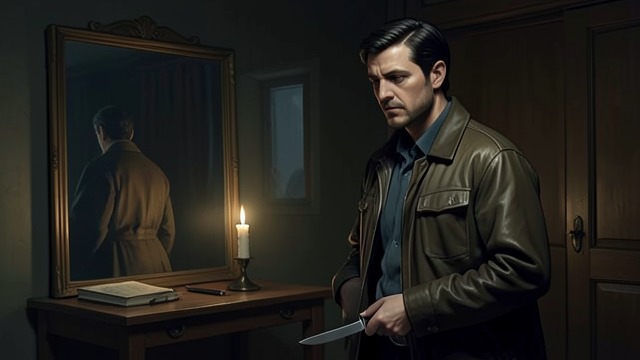
A Family Destroyed by Fear
Protection becomes violence
Pamphil Palykh imagines what the Whites may do to his family and kills them himself.
His act is both an attempt at protection and a catastrophic surrender to terror.
The war has made love inseparable from imagined violence.
A Moral Injury Remembered
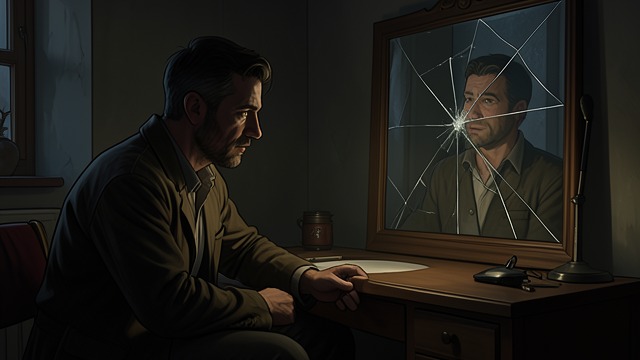
A Moral Injury Remembered
The cost of participation
Zhivago continues to remember the people harmed by battles and political campaigns.
His writing refuses to make suffering an abstract cost of progress.
The conscience remains wounded even when the fighting moves elsewhere.
during Zhivago’s medical training
during the First World War
during a partisan engagement
during the partisan winter
during Zhivago’s later writings
